
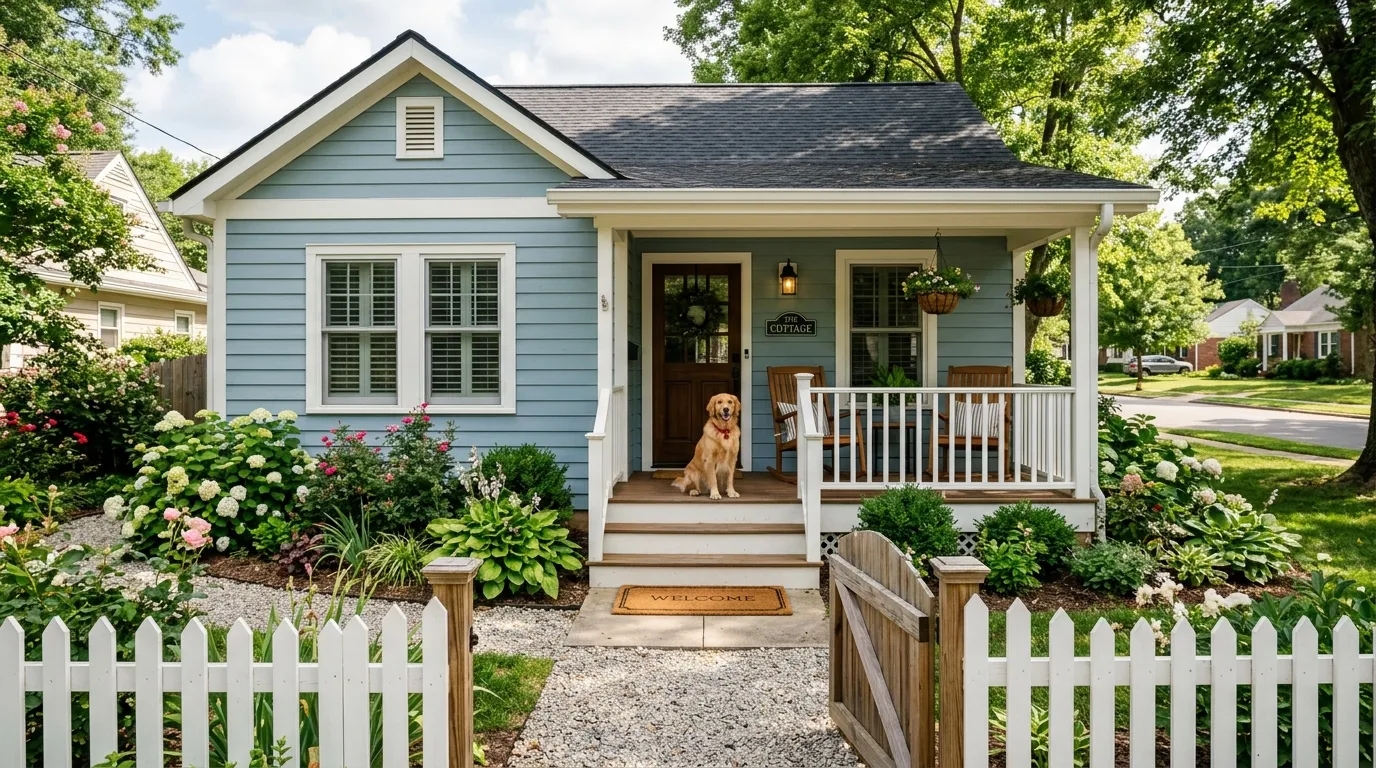
You booked the perfect getaway — a charming Airbnb with great reviews, a beautiful backyard, and all the comforts of home. Then, without warning, a dog attacks you. Maybe it belonged to the host. Maybe a guest brought it. Maybe it was on the property when you arrived and no one mentioned it. Suddenly your vacation has turned into an emergency room visit, and you are left asking one very urgent question: who is responsible?
Dog bites at Airbnbs and vacation rentals are more common than most people expect. According to the Insurance Information Institute, U.S. insurers paid out $1.57 billion in dog-related injury claims in 2024 alone, with the average cost per claim rising to $69,272. The legal question of liability in a short-term rental context is far more complicated than a standard bite at someone’s home. Multiple parties can be involved — the dog’s owner, the property host, the platform itself — and sorting through who owes you compensation requires understanding how personal injury law, premises liability, and dog bite statutes intersect.
This guide will walk you through exactly what your rights are, who can be held liable, and what steps you must take to protect your claim.
Why Dog Bites at Vacation Rentals Are a Growing Problem

Short-term rental platforms like Airbnb and Vrbo have fundamentally changed how Americans travel. With tens of millions of listings worldwide and a massive surge in bookings over the past several years, more people than ever are staying in privately owned homes — and those homes increasingly include dogs. According to the American Veterinary Medical Association (AVMA), nearly 90 million dogs currently live in U.S. households, and about 4.5 million people are bitten by dogs each year.
Many hosts advertise their properties as pet-friendly to attract more bookings. Others list a “no pets” policy, only for guests to secretly bring animals anyway. Property management companies juggling multiple rentals often lack consistent oversight. The result is that guests regularly encounter dogs they were not warned about, in unfamiliar environments where both the animal and the visitor can be stressed and unpredictable.
Unlike a hotel, which is subject to tight commercial regulations and staffed liability controls, a vacation rental is a privately managed space where safety standards can vary enormously from one listing to the next. When something goes wrong — including a dog attack — figuring out who bears legal responsibility is rarely straightforward.
Who Can Be Held Liable After a Dog Bite at an Airbnb?
In a vacation rental dog bite case, there are typically up to three parties whose liability should be examined: the dog’s owner, the property host, and in some situations, the platform itself.
The Dog’s Owner
The dog’s owner is almost always the primary liable party in any dog bite case. In the majority of U.S. states, dog owners are held to a strict liability standard — meaning they are responsible for injuries their dog causes regardless of whether the animal had ever bitten anyone before or whether the owner had any reason to expect aggression. You do not need to prove the owner was careless. The bite itself establishes liability.
At a vacation rental, the dog’s owner may be the Airbnb host, a co-host, a guest staying at the property, or even a neighbor whose dog wandered onto the rental property. Identifying the owner clearly and documenting their connection to the property is an essential first step in any claim.
To understand how strict liability works in your state and how it affects your right to compensation, see our full guide to who is liable for dog bite injuries.
The Airbnb Host or Property Owner
Even if the host does not own the dog, they may share legal liability under premises liability law. Property owners — including Airbnb hosts — have a legal duty to maintain a reasonably safe environment for guests. If a host knew or should have known that a dangerous dog was on the property and failed to warn guests or take precautions, they can be found negligent.
Situations that can expose a host to liability include allowing a pet-owning guest to stay when they knew the animal had a history of aggression, failing to enforce a stated “no pets” policy, or accepting a booking without disclosing that a dog would be present on the premises. If an Airbnb host allowed a guest to bring a dog with a known history of aggression, or failed to properly inspect the property for unauthorized pets, they could be considered negligent and partially responsible for resulting injuries.
Airbnb Itself
Holding the platform directly responsible is the most difficult legal avenue, and Airbnb actively uses its terms of service to argue it is merely a technology platform — not a property owner or lodging provider. However, Airbnb does provide AirCover Host Liability Insurance, which according to Airbnb’s official Host Liability Insurance page, offers up to $1 million in coverage per incident when a host is found legally responsible for a guest being hurt during a stay.
It is important to note that AirCover has significant limitations and exclusions, and the claims process is managed entirely at Airbnb’s discretion. There are no public disclosures of all AirCover exclusions, and hosts have no independent policy rights to contest decisions. For victims, this means AirCover should be pursued as one of several avenues, not as a guaranteed recovery path.
What Insurance Coverage May Apply
One of the most confusing aspects of a vacation rental dog bite is identifying which insurance policy covers your claim — and what each policy actually covers.
The Host’s Homeowners or Landlord Policy
Many hosts carry standard homeowners insurance, but these policies frequently contain business activity exclusions that apply when a property is being rented commercially. A host’s homeowners insurer may deny a dog bite claim outright on the grounds that the injury occurred during a rental period that constitutes a business activity.
Some hosts carry purpose-built vacation rental insurance or commercial landlord policies that do cover dog bites during the rental period — but coverage varies widely, and breed exclusions are common. As we cover in more detail in our post on how insurance companies handle dog bite claims, insurers will often look for reasons to minimize or deny payment, making legal representation important.
The Dog Owner’s Renters or Homeowners Insurance
If the dog belonged to a guest rather than the host, that guest’s own renters or homeowners insurance policy may cover the claim under its personal liability section. Again, breed exclusions and prior-bite history clauses may limit or eliminate coverage for certain dogs. Identifying and pursuing all potentially applicable policies simultaneously is one of the key reasons an attorney adds significant value in these cases.
Airbnb’s AirCover
Airbnb’s AirCover liability protection provides up to $1 million per incident, but it applies primarily to claims against the host — not the platform itself. Coverage only applies during active booking periods, and the claims process is managed entirely by Airbnb’s third-party insurer. For victims, this means AirCover should be actively pursued through Airbnb’s official claims process, but always alongside other potential avenues for recovery.
Steps to Take Immediately After a Dog Bite at a Vacation Rental

What you do in the hours and days after a dog bite at an Airbnb can significantly affect your ability to recover compensation. Follow these steps carefully.
1. Seek Medical Attention Right Away
Dog bites carry a serious infection risk — up to 20% of bites become infected without proper treatment. Go to an emergency room or urgent care immediately, even if the wound appears minor. Your medical records are essential documentation for your claim. Follow all treatment instructions and keep all receipts and records.
2. Report the Bite Through the Airbnb Platform
Notify the host and report the incident to Airbnb directly through the app or website. Using the platform’s official messaging system creates a timestamped record of your report, which is important if you later need to pursue AirCover or hold the host accountable. Do not accept any quick payment offers or sign anything before speaking to an attorney.
3. Document Everything at the Scene
Photograph your wounds immediately and at regular intervals as they heal. Take pictures of the dog, the location where the bite occurred, any “no pets” signage or listing descriptions, and the layout of the property. If other guests or neighbors witnessed the attack, collect their contact information. The faster you document what happened, the easier it is to identify responsible parties and preserve your legal options.
4. Report to Local Animal Control
File a report with local animal control authorities. This creates an official record of the incident, documents the dog’s vaccination status, and establishes whether the animal has a prior history of aggression — all of which can strengthen your case significantly. For more on what steps to take immediately after any dog bite, see our guide on what to do immediately after a dog bite.
5. Contact a Dog Bite Attorney
Vacation rental dog bite cases involve multiple potentially liable parties, overlapping insurance policies, and platform terms of service designed to limit the company’s exposure. An experienced personal injury attorney can identify all available avenues of recovery, negotiate with insurers on your behalf, and ensure you do not inadvertently waive your rights by communicating directly with Airbnb or the host’s insurer without representation.
What Compensation Can You Recover?
If you are bitten by a dog at an Airbnb or vacation rental and another party is found liable, you may be entitled to compensation for a range of damages. These typically include all medical expenses — emergency care, follow-up treatment, surgery if needed, and future medical costs related to the injury. You can also claim lost wages if the injury caused you to miss work, compensation for pain and suffering, and in cases involving permanent scarring or disfigurement, damages for long-term emotional and physical impact.
Depending on the circumstances and the parties involved, you may be able to pursue claims against the dog owner, the host, the host’s insurer, and AirCover simultaneously — maximizing your total recovery. For a detailed breakdown of what compensation looks like in these cases, see our guide on dog bite compensation and what to expect.
Do Not Let Platform Complexity Cost You Your Claim
The short-term rental industry is built on platforms that deliberately blur the lines of responsibility. Airbnb is not a hotel, hosts are not landlords, and guests are not tenants — yet the law still imposes real duties of care on each of these parties when someone is hurt on their watch.
A dog bite at a vacation rental is not a situation where you should navigate the claims process alone. Multiple parties, multiple insurance policies, and platform terms designed to minimize payouts all create barriers that are far easier to overcome with experienced legal representation behind you. Document everything, seek medical care immediately, report the incident promptly — and then call an attorney before you say another word to any insurance company or the platform itself.
Your right to compensation does not disappear because you were on vacation. If someone else’s dog — or someone else’s negligence in managing a property — caused your injury, the law provides pathways to recovery. The key is acting quickly and strategically to preserve them.