

What the 2025 insurance figures show
The reported 2025 total was $1.8621 billion across 28,450 claims. The average cost was $65,450. Compared with 2024, the total claim value increased 18.6% and the number of claims rose 25.6%, while average cost per claim declined 5.5%. That combination matters. The total rose even though the average claim was lower, because the number of claims increased substantially.
The table compares reported annual totals. Figures are rounded; see the industry report for precise values and state-level detail.
| Measure | 2024 | 2025 | Change |
|---|---|---|---|
| Total dog-related injury claim value | $1.570 billion | $1.862 billion | +18.6% |
| Number of claims | 22,658 | 28,450 | +25.6% |
| Average cost per claim | $69,272 | $65,450 | -5.5% |
These are insurance claim measures, not a count of all dog bites reported to hospitals, public-health agencies, or animal-control offices. They also do not represent a guaranteed payout for an individual claim. Each case is assessed under its policy, documentation, applicable law, and specific facts.
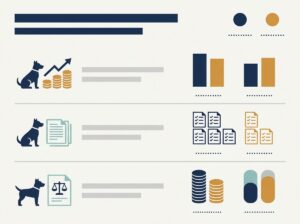
Why total costs rose while the average fell
It is possible for an annual total to grow while the average amount per claim drops. In 2025, the reported number of claims increased faster than the total claim value. Claim volume, rather than a higher average claim, was the main reason the overall figure increased.
This distinction helps readers avoid a common mistake when comparing yearly headlines. A larger national total does not automatically mean that every individual case became more expensive. Nor does a lower average mean that serious injuries are inexpensive or that a particular person’s claim will be below the average. Averages combine claims of different sizes and circumstances. They are useful for describing a large dataset, not for predicting the result of one case.
The longer view also matters. Triple-I’s dog-bite liability statistics and methodology page presents the annual series and state comparisons. When using those figures, check the year, the definition of a claim, and whether the page is discussing total costs, claim counts, or average costs. Those measures answer different questions.
What counts as a dog-related injury claim
The headline number should not be described as the cost of dog bites alone. The industry category includes dog-related injuries that may happen without a bite, such as a person being knocked down or suffering a fracture after a dog’s actions. A claim may involve medical expenses and other covered losses, depending on the circumstances and policy. That is why “dog-related injury claims” is a more accurate phrase than “dog bite payouts” when describing the full $1.86 billion figure.
There are other limits to keep in mind. The report reflects claims in the insurance dataset described by the source, not every incident in the country. It cannot tell readers how many unreported bites occurred, how many people paid expenses without filing a claim, or how many dog owners lacked applicable insurance. It also cannot establish that one breed is inherently dangerous or explain why any specific incident occurred.
For context, the prior-year total was reported as $1.57 billion for 2024, based on 22,658 claims and an average cost of $69,272. The 2024 Triple-I and State Farm release provides that comparison. Keeping the same definitions across years makes the trend easier to understand, while remembering that the totals cover dog-related injuries, not bites alone.

What the numbers mean for dog owners
The figures are a reminder to understand liability coverage before an incident, rather than assume what a policy will pay afterward. Homeowners and renters policies can differ in their limits, exclusions, covered locations, and treatment of particular circumstances. A dog-related claim may also raise questions about who had responsibility for the dog, where the incident occurred, and what the policy says about notice and cooperation.
Owners can take a few practical steps. Review the liability section and exclusions in the current policy. Ask the insurer to explain unclear terms in writing. Keep vaccination and training records current, and use secure leashes, gates, or other controls appropriate to the setting. If a dog has previously injured someone or an insurer has added a restriction, confirm what the policy covers before relying on it. Do not assume that a general statement about homeowners insurance applies to every carrier or state.
State law also affects responsibility after an incident. Rules can differ on owner liability, defenses, reporting duties, and deadlines. The site’s guide to dog bite laws by state is a starting point for learning what questions may matter, but readers should verify current rules where the incident occurred and seek qualified legal advice for a specific case.
What bite victims can do after an incident
Anyone injured should put health and safety first. Seek medical care when needed and follow the clinician’s advice. If it is safe, write down the date, time, location, and what happened. Photograph visible injuries and the scene, save relevant messages, and get the dog owner’s name and contact information. Ask whether the dog’s rabies vaccination is current and follow local health-department or animal-control guidance about reporting.
Keep copies of medical bills, receipts, missed-work records, and correspondence with an insurer. Before accepting a payment or signing a release, make sure you understand what it covers and whether it ends further claims. A national average cannot calculate a person’s expenses, establish fault, or guarantee a settlement. The site’s practical guides on first aid and medical steps after a dog bite and filing a dog bite claim can help readers organize next steps.

How to read the headline responsibly
The 2025 figures tell a clear but limited story: the insurance dataset recorded more dog-related injury claims and a higher total claim value than in 2024, while average cost per claim declined. That is a useful annual trend for dog owners, insurers, and people researching bite claims. It is not proof that every bite is covered, that every claim is worth the average, or that the national number measures all bite incidents.
When citing the statistic, use the source’s terminology, name the year, and explain the broader injury category. For readers comparing years, show claim count, total value, and average cost together. This small amount of context makes the headline more useful and helps prevent a dog-bite statistic from being mistaken for a precise forecast of individual insurance coverage or compensation.
This article is for general information only. Insurance coverage and legal responsibility depend on the policy, jurisdiction, and facts. Readers should review their policy and consult an appropriately licensed insurance professional or attorney about their circumstances.