
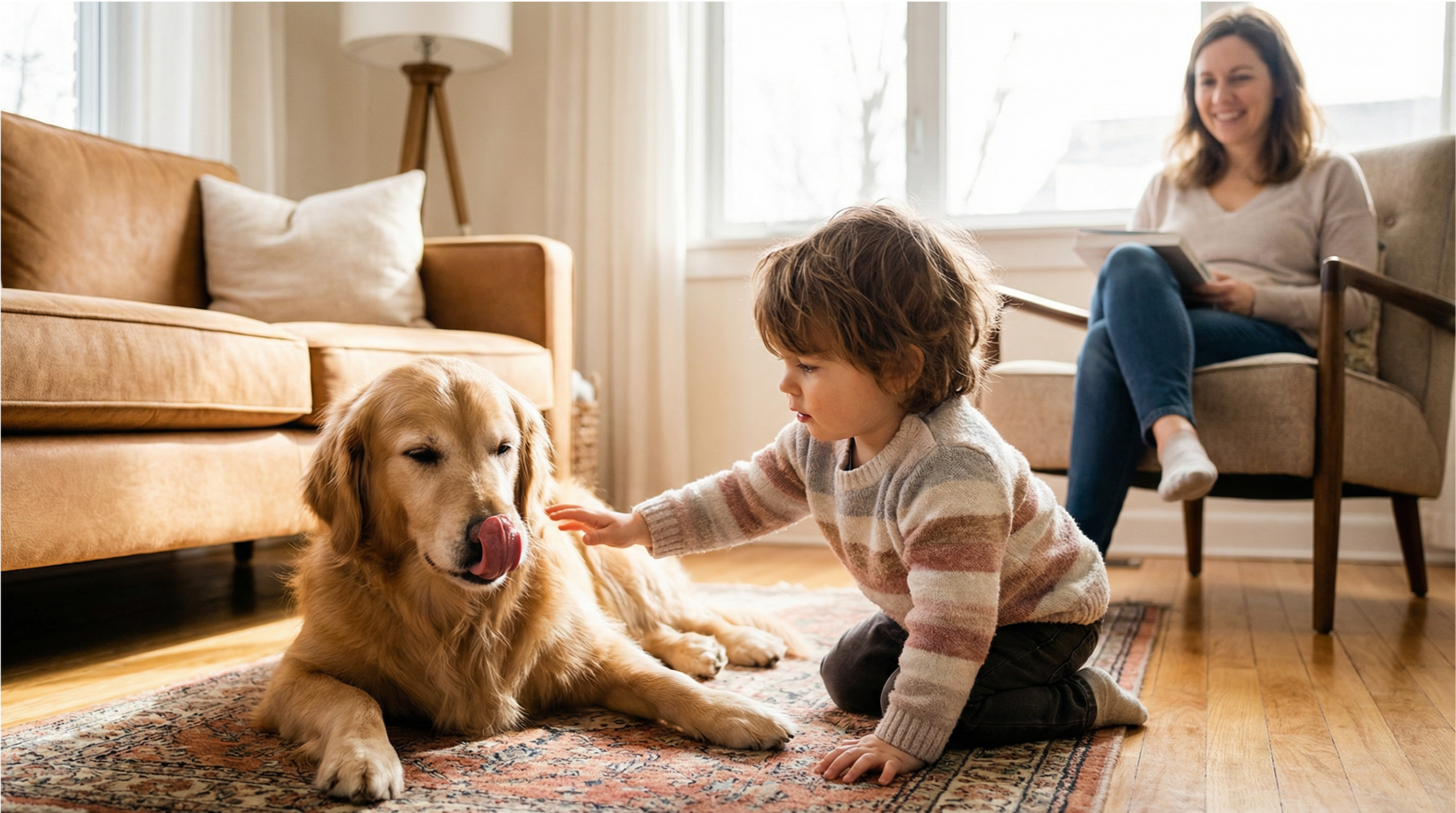
Dogs are beloved members of our families, but it’s crucial to remember that any dog can bite, especially when it comes to interactions with children. Children are the most common victims of dog bites, and their injuries can be severe. The good news is that most dog bites are preventable through education and supervision. By teaching children how to interact safely with dogs and by creating a safe environment, parents and caregivers can significantly reduce the risk of dog bite incidents. This guide provides comprehensive strategies for dog bite prevention for children, covering everything from understanding a dog’s body language to age-specific safety rules. Protecting our children is a top priority, and that includes ensuring their interactions with our canine companions are safe and positive. If an unfortunate incident does occur, understanding the steps to take for both medical treatment and legal recourse is essential.
Understanding Why Children Are at Higher Risk
Children, particularly those between the ages of 5 and 9, are more susceptible to dog bites for several reasons. Their smaller size makes them more vulnerable to serious injury, and they often don’t understand the subtle cues a dog gives when it’s feeling uncomfortable or threatened. A child’s natural enthusiasm and curiosity can lead them to approach a dog too quickly, make sudden movements, or engage in rough play that a dog may perceive as a threat. According to the Centers for Disease Control and Prevention (CDC), more than 4.5 million people are bitten by dogs each year in the United States, and children are the most frequent victims. Many of these bites come from a family pet or a dog known to the child, highlighting the importance of supervision even with familiar animals. Understanding these risk factors is the first step in creating a safer environment for both children and dogs.
Teaching Kids Dog Safety Fundamentals
Education is the cornerstone of dog bite prevention for children. Teaching kids basic safety rules from a young age can instill lifelong habits that protect them from potential harm. These fundamental lessons focus on respecting a dog’s space, understanding their communication, and knowing how to behave in different situations.
The “Stand Like a Tree” Technique
One of the most effective safety techniques to teach a child is to “stand like a tree” if an unfamiliar dog approaches them. This involves standing still, folding their arms in front of them, and looking down at their feet. Running away can trigger a dog’s natural chase instinct, making the situation more dangerous. By standing still and quiet, the child becomes less interesting to the dog, which will often lose interest and walk away. This simple yet powerful tool is recommended by numerous animal behavior experts and organizations like the American Veterinary Medical Association (AVMA).
Asking Permission Before Petting
A crucial rule for children to learn is to always ask for permission from the dog’s owner before approaching or petting an animal. This teaches respect for both the dog and its owner. Even if the owner says yes, the child should then let the dog make the first move. They can do this by extending a closed hand for the dog to sniff. This allows the dog to become comfortable with the child’s scent and presence before any physical contact is made. It’s a simple step that empowers the dog and reduces the likelihood of a fearful or defensive reaction.
Reading Dog Body Language
Understanding a dog’s body language is a more advanced skill, but even young children can learn to recognize basic signs of comfort and discomfort. Teach them that a relaxed dog might have a wagging tail, a soft expression, and a wiggly body. Conversely, a dog that is feeling anxious or threatened might have a stiff body, a tucked tail, flattened ears, or show the whites of its eyes (known as “whale eye”). Teaching children to recognize these warning signs helps them know when to give a dog space. Resources from organizations like Texas Children’s Hospital provide excellent visual guides for parents to use when teaching their children about canine communication.
Age-Appropriate Safety Strategies

Dog safety rules are not one-size-fits-all. The way you teach and supervise will change as your child grows. Tailoring your approach to your child’s developmental stage is key to effective dog bite prevention.
Toddlers (Ages 1-3)
For toddlers, constant and direct supervision is non-negotiable. At this age, children are still learning about their own strength and boundaries. They might pull a dog’s ears or tail without understanding that it can cause pain. Never leave a toddler alone with a dog, even for a moment. Use baby gates to create separate safe zones where the dog can retreat when it needs space. Focus on teaching gentle touches and redirecting any rough behavior immediately.
Young Children (Ages 4-7)
As children get older, you can begin to introduce more complex safety rules. This is the ideal age to practice the “stand like a tree” technique and to role-play different scenarios. Reinforce the rule of never approaching a dog that is eating, sleeping, or chewing on a toy. Children in this age group can also start to learn more about dog body language with parental guidance. Supervision is still critical, but you can start to give them more guided independence in their interactions with familiar family pets.
Older Children (Ages 8+)
Older children can take on more responsibility for their interactions with dogs. They should have a solid understanding of all the basic safety rules and be able to recognize a dog’s key body language cues. This is a good age to involve them in the dog’s care, such as feeding or supervised walks, which can help build a bond based on mutual respect. Continue to remind them that even a friendly dog can bite if it feels scared or threatened. For more detailed information about dog behavior and training, explore our article on dog bite prevention training and bite inhibition techniques.
What to Do If a Dog Approaches
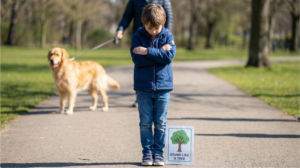
Even with the best training, a child might find themselves in a situation with an unfamiliar, off-leash dog. Reinforce the importance of staying calm and not screaming or running. The “stand like a tree” method is the primary strategy here. If the dog does not lose interest and a child is knocked over, they should curl into a ball, covering their head and neck with their arms. This position, often called “be a rock,” protects their most vulnerable areas. It’s a difficult scenario to think about, but preparing children for this possibility can prevent serious injury. For more information on what to do after a dog bite, our resources on medical treatment and infection prevention can provide critical guidance. According to Children’s Dayton Hospital, proper preparation and education can significantly reduce the severity of dog bite incidents.
Ultimately, creating a safe environment for children and dogs is a shared responsibility. It involves diligent supervision from adults, consistent education for children, and proper training and socialization for our dogs. By implementing these strategies, we can foster a loving and respectful relationship between our kids and their canine friends, minimizing the risk of dog bites and ensuring that their interactions are a source of joy, not fear. Understanding the broader context of dog bite incidents can also be helpful — our comprehensive 2025 dog bite statistics provide valuable insights into trends and risk factors. If you or a loved one has experienced a dog bite, understanding your legal rights is also an important part of the recovery process. Consulting with experts in dog bite liability and insurance coverage can help you navigate the complexities of insurance claims and legal proceedings.